

Avoiding The Algorithm
How I’m thinking about streaming, sustainability, and album releases

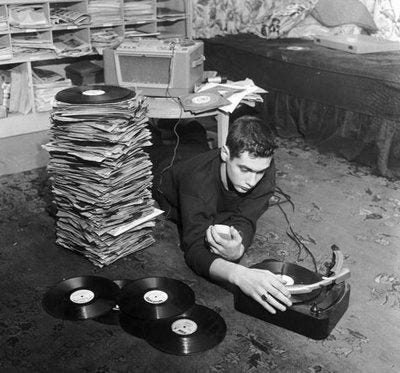
On August 22, my new album “Something Wicked” will be released in full on Bandcamp. A week later, the first single will appear on Spotify and the other DSPs. I will be releasing future singles like that as well. However, only Bandcamp will ever have the entirety of this record. Spotify and the rest are just for the hits, the singles, the freebies. If you like them, there is more where that came from.
There are plenty of ethical reasons to avoid Spotify — their CEO’s investment in AI weapons, the fake artists they seed into playlists, the way their business depends on not paying for music. But that isn’t even the core of why I’m doing this. My decision is less about protest and more about building a model that makes sense, for me and for listeners.
The truth is, Spotify’s model doesn’t work. “All-you-can-eat” streaming was never sustainable, and the company knows it. That’s why they’ve spent years pivoting into podcasts, audiobooks, and fake artist playlists. Music alone isn’t enough to keep their business afloat, and I don’t think the platform will look the same in a few years. I’d rather not invest my time or energy into something that uncertain.
The way I see it, I’ll treat Spotify the same way artists once saw radio in the 20th century. They didn’t depend on radio to make a living, yet they recognized the reach of its large audience. It was utilized to promote records, to advertise, to spread the word. Spotify will be the same. It’s not where an album lives, it’s where the signal is broadcast, hoping to catch someone’s ear and invite them in.
If I do play Spotify’s game, what am I winning? Getting on a playlist is like winning a lottery. Even if you “win” with a million streams, what you really have are passive background plays, someone cooking dinner or half-listening on shuffle. It doesn’t mean you’ve earned a fan. It doesn’t mean anyone has joined your world.
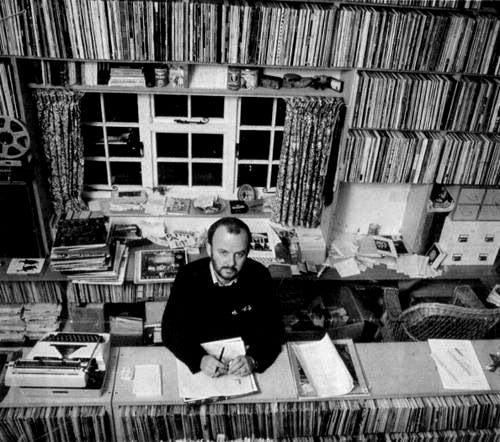
Bandcamp offers something closer to the world I want to live in. It’s a marketplace, not an algorithm. Fans pay directly, artists keep control, and the music is theirs to own. It rewards quality over quantity.
It’s also a place where music isn’t forced into a box. A 52 minute drone piece can live and even thrive alongside a conventional pop song. The DSP model narrows music to whatever works best for the churn of the algo. Bandcamp still leaves space for the strange and the interesting.
At the heart of this is the belief that music has value. The problem is that as things stand now, most of that value never reaches the artist. Bandcamp isn’t perfect, but it’s one of the few places left where the exchange between artist and listener feels direct and fair. No algorithm or black box accounting. Just a song, and someone who cares enough to keep it.
I am well aware this will not have the impact of say, Taylor leaving Spotify. For me this choice may be risky. A large portion of the music industry has become dependent on Spotify. By releasing my album outside of it, I may be shooting myself in the foot. But to paraphrase John Prine’s words, when asked about starting his own label: “ I sell half as many records and make twice as much money”. I’d rather have fewer listeners who are truly listening, than millions who barely notice. And the real truth is, I have nothing to lose. I don’t make money from Spotify anyway. What I do have is the freedom to choose a model I believe in.
So Spotify will be like radio, a signpost pointing to the record. But Bandcamp is the record store. It’s the place where the album actually lives, and where I can meet the people who actually want to listen.
-cm